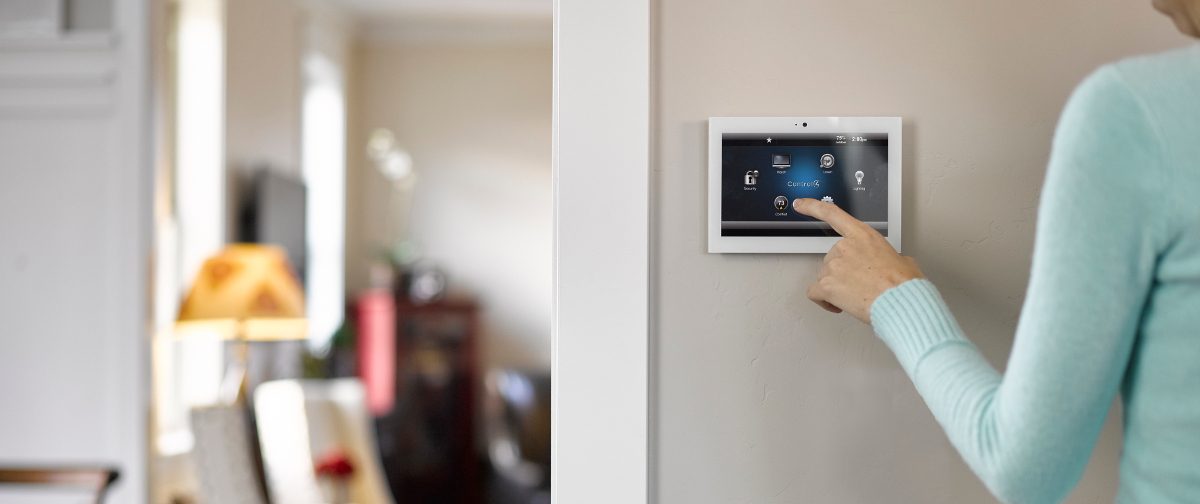
The landscape of Home Security has evolved dramatically as homeowners face more sophisticated threats, advanced technology options, and increased expectations for safety. Despite these advancements, many households continue to make simple yet dangerous mistakes that leave them vulnerable. Understanding these critical errors is essential for anyone committed to protecting their property and loved ones. At Deep Dive Picks, we analyze every aspect of consumer safety, technology trends, and performance reliability. This detailed guide explores the most damaging and frequently overlooked Home Security mistakes you must avoid at all costs. Each section provides a deep dive into real risks, long-term consequences, and practical solutions aligned with expert recommendations and industry best practices.
Understanding the Importance of Strong Home Security Habits
One of the most significant factors contributing to home break-ins and property loss is not the absence of technology but the failure to use it correctly. Many homeowners invest in cameras, alarm systems, and smart devices yet overlook the habits and behaviors that make these tools effective. It is impossible to separate reliable protection from consistent practice. If a system is installed but poorly maintained or rarely monitored, its value diminishes. That is why avoiding common Home Security mistakes is just as essential as choosing the right devices. Every decision, from where you place cameras to how often you update system software, plays a direct role in your home’s overall security posture.
The Mistake of Ignoring Basic Physical Security Measures
One of the most widespread errors in Home Security stems from overlooking physical entry points. Homeowners often assume that advanced digital systems are enough, but they underestimate how frequently intruders exploit weak doors, fragile locks, or unsecured windows. A house equipped with smart alarms can still be broken into if a side door is left unlocked or if the main entrance has an outdated deadbolt. Physical protection remains the foundation of effective Home Security because digital tools cannot compensate for structural vulnerabilities. Criminals often look for the easiest access point rather than the most technically complex one. Failing to reinforce doors, ignoring window security bars, or skipping routine checks on locks creates an unnecessary risk.
Overlooking the Importance of Proper Camera Placement
Camera placement plays a far more influential role in Home Security than most homeowners realize. Many choose positions based on convenience rather than strategic coverage, resulting in blind spots that intruders can exploit. When cameras face direct sunlight, they become ineffective due to glare. When they are installed too high, facial details cannot be captured. When they are placed in hidden corners, motion sensors fail to detect suspicious movement. Poor camera placement compromises the clarity and accuracy of surveillance footage, reducing its usefulness both during incidents and in post-event investigations. This mistake continues to be one of the most damaging errors in Home Security because it prevents homeowners from maximizing the value of the technology they invest in.
Relying Too Much on Technology Without Human Oversight
Modern systems powered by AI-driven alerts, smart sensors, and real-time monitoring can significantly enhance Home Security, but they do not eliminate the need for human attention. One of the most common mistakes is assuming these systems operate flawlessly at all times. In reality, devices can malfunction, software can fail, and batteries can die unexpectedly. When homeowners rely entirely on smart systems and neglect routine checks, they create opportunities for breaches. Effective Home Security requires a balance between advanced tools and responsible use. Checking notifications, reviewing camera feeds, and testing sensors regularly ensures you stay aware of unusual activity and system performance.
Failing to Update Firmware and Security Software
Smart devices play a major role in protecting modern homes, but many homeowners ignore the importance of software updates. Outdated firmware poses a significant threat to Home Security because it exposes your system to cyber vulnerabilities. Hackers continuously search for weak points in connected devices, including cameras, alarm panels, smart locks, and Wi-Fi networks. When updates are postponed, the system becomes more susceptible to attacks. Firmware updates are designed to improve stability, enhance performance, and patch security flaws. Neglecting them leaves your Home Security infrastructure open to potential breaches that could have been prevented with timely updates.
Using Weak or Default Passwords for Smart Security Devices
Another major mistake in Home Security is failing to change default passwords or creating weak, predictable credentials. Many homeowners assume that no one will attempt to access their devices remotely, but connected systems remain targets for cybercriminals. When default usernames or simple passwords such as “123456” or “admin” are used, it becomes effortless for hackers to gain control over security cameras, smart locks, or alarm panels. Compromised passwords can disable entire Home Security networks, exposing your property and personal data. Creating strong, unique credentials and enabling multi-factor authentication is essential to maintaining control of your smart system.
Forgetting to Secure the Wi-Fi Network
Because many Home Security devices rely on Wi-Fi, an unsecured home network becomes a gateway for attackers. Overlooking router configurations, neglecting encryption settings, or using outdated hardware makes your system vulnerable. Homeowners often fail to recognize that cyber intrusions are just as dangerous as physical ones. If a hacker gains access to your Wi-Fi, they can intercept video feeds, manipulate alarms, or disable connected devices. A secure network is a critical part of overall Home Security, and simple adjustments such as changing the default SSID, strengthening passwords, and enabling advanced encryption significantly reduce the risk of unauthorized access.
Leaving Spare Keys in Predictable Locations
One of the most surprisingly common mistakes in Home Security is leaving spare keys under doormats, plant pots, mailboxes, or other obvious hiding spots. While this habit might seem practical for households with multiple family members, it also provides intruders with an easy entry method. Criminals are familiar with these hiding strategies and often check them first. Even homes equipped with smart locks are sometimes compromised because traditional keys remain hidden outside. Avoiding this mistake strengthens your Home Security significantly by eliminating one of the simplest ways for intruders to let themselves in.
Forgetting to Activate the Alarm System Before Leaving Home
A high number of break-ins occur simply because homeowners forget to arm their alarm systems. Despite having advanced equipment, failure to activate it reduces your Home Security to an ineffective state. This mistake is more common than expected because people may be in a rush, distracted, or assuming the area is safe. Unarmed systems cannot detect or report intrusions, leaving homes without the protection they are designed to provide. Consistently using your alarm system ensures your property remains monitored whenever you leave, reducing the chances of undetected entry.
Ignoring Motion Sensor Adjustments
Motion sensors are essential components of many Home Security systems, but they require proper calibration to function effectively. Homeowners often install sensors and assume they will automatically detect suspicious movement without fine-tuning. When sensors are too sensitive, they create false alarms triggered by pets or environmental factors. When sensitivity is too low, critical detection points may be missed entirely. This creates gaps in your Home Security, reducing the reliability of the system. Adjusting sensor angles, positions, and sensitivity settings ensures optimal performance.
Not Securing the Garage and Outdoor Spaces
Garages, sheds, and outdoor storage areas are frequently overlooked in Home Security, yet they often contain valuable tools and equipment. More importantly, many homes have garage access points that lead directly inside. When garage doors are left unsecured or when outdoor areas lack proper lighting and surveillance, intruders gain easier access. Failing to secure these spaces creates blind spots in your Home Security, allowing criminals to bypass primary security measures. Adequate lighting, strong locks, and camera coverage are essential for protecting outdoor zones.
Failing to Maintain Adequate Outdoor Lighting
Poor lighting is one of the biggest contributors to security risks. Criminals prefer operating in darkness, and dim outdoor environments provide ideal conditions. One of the most common Home Security mistakes is neglecting outdoor lighting, especially along walkways, backyards, garages, and entry points. Motion-activated lighting, consistent maintenance of bulbs, and coverage of blind spots all contribute to a safer environment. Without sufficient lighting, even high-quality cameras struggle to capture clear footage, reducing the overall effectiveness of your security measures.
Sharing Too Much Information on Social Media
Oversharing personal details online can unintentionally undermine Home Security. Posting about vacations, daily routines, expensive purchases, or home layouts gives intruders valuable information. Many homeowners do not realize that criminals often monitor public social media accounts to identify opportunities for break-ins. Announcing your absence from home, even indirectly, creates unnecessary vulnerability. Maintaining privacy and limiting public visibility helps protect your home from targeted incidents.
Failing to Reinforce Sliding Doors and Windows
Sliding doors and large windows are visually appealing but often less secure than standard entrances. A major Home Security mistake is assuming that factory locks provide enough protection. Intruders can lift sliding doors off their tracks or force entry through weak locking mechanisms. Additional reinforcement such as security bars, anti-lift devices, and shatter-resistant films dramatically improves safety. Ignoring these vulnerabilities gives intruders easy access, especially in homes where glass doors lead to patios or backyards.
Not Creating Strong Neighborhood Security Awareness
Homeowners often underestimate the role of community cooperation in Home Security. Neighborhood awareness programs, communication with nearby residents, and shared safety efforts contribute significantly to preventing crime. One of the biggest mistakes is failing to establish strong connections with neighbors who can alert you to unusual activity. Collaborative vigilance increases overall safety and strengthens your home’s protection beyond your own surveillance system.
Letting Landscaping Create Hidden Entry Points
Overgrown shrubs, tall hedges, and clutter around the exterior of the home create hiding spots for intruders. Many homeowners unintentionally compromise their Home Security by neglecting landscaping maintenance. Criminals look for areas where they can conceal themselves while attempting entry, and dense plant growth offers ideal cover. Regular maintenance ensures clear sightlines for both homeowners and security cameras, reducing potential hiding areas and improving visibility.
Not Testing Your Security System Regularly
A Home Security system is only as reliable as the attention given to its maintenance. One of the worst mistakes is failing to test alarms, cameras, sensors, and smart locks regularly. Over time, devices can malfunction, batteries can drain, and components may lose calibration. Without routine testing, you may not discover system failures until after a breach occurs. Regular system evaluations ensure full functionality and reveal any weaknesses that need attention.
Using Only Indoor Cameras Without External Surveillance
Many homeowners install indoor cameras while overlooking the importance of exterior surveillance. Criminals typically operate outside before attempting entry, and without visible outdoor cameras, you miss critical opportunities for deterrence. This oversight affects your entire Home Security framework because external coverage provides the first line of defense. Outdoor cameras capture movement near entry points, vehicles, or fences, enhancing your ability to identify threats early.
Overlooking Emergency Planning and Response Protocols
Even the best Home Security system becomes ineffective without a proper emergency action plan. Homeowners often assume they will react appropriately during a crisis, but high-stress situations require structured responses. Not preparing for emergencies results in confusion and delays that could worsen the situation. Establishing clear procedures, discussing them with family members, and practicing responses ensure that everyone understands what to do if an alarm sounds, a camera alert triggers, or a break-in occurs.
Skipping Professional Installation for Complex Systems
While DIY installation may seem convenient, complex Home Security systems benefit significantly from professional setup. Incorrect wiring, sensor misplacement, or software misconfiguration can compromise the entire system. Professional technicians bring expertise and ensure that every component functions at maximum efficiency. Skipping this step leads to performance issues, blind spots, or gaps in detection that intruders may exploit.
Underestimating the Value of Redundant Security Measures
Redundancy enhances resilience. One of the biggest mistakes in Home Security is relying on a single protective method. Homeowners who depend only on cameras or solely on alarms miss opportunities to build layered protection. Every security layer, including strong locks, lighting, surveillance, and smart sensors, contributes to overall safety. Neglecting redundant measures increases your vulnerability when one element malfunctions or fails.
Assuming Break-Ins Only Occur at Night
A common misconception in Home Security is that crimes happen mostly after dark. Statistics show that many burglaries occur during daylight hours when homeowners are at work or running errands. Assuming that daylight offers natural protection leads to careless mistakes such as leaving windows open, ignoring motion alerts, or keeping curtains wide open. Maintaining consistent security habits throughout the day strengthens your overall protection.
Neglecting to Secure Upper Floors
Many homeowners secure only ground-level areas while ignoring upper-level windows, balconies, or roof access points. This creates a gap in Home Security that intruders can exploit, especially in multi-story homes or properties with easy access to ledges and balconies. Secure locks, sensors, and visibility measures must extend to upper floors to eliminate this vulnerability.
Not Reviewing Security Footage Regularly
Modern surveillance systems generate detailed footage, but many homeowners rarely review it unless something goes wrong. Overlooking routine footage reviews prevents early detection of suspicious patterns or unfamiliar activity near your property. Consistently checking video logs enhances your Home Security by revealing potential threats before they escalate.
Assuming Rural or Suburban Areas Are Naturally Safer
Many people believe that suburban or rural environments are immune to crime. This false sense of security leads to lax Home Security habits, such as leaving doors unlocked or ignoring camera alerts. Criminals often target quiet neighborhoods specifically because they assume residents are less vigilant. Strengthening your security practices ensures your home remains protected regardless of location.
Conclusion
Avoiding these critical Home Security mistakes can significantly improve the safety of your home and provide greater peace of mind. Every error discussed above represents a gap that intruders can exploit, but each one is also preventable with proactive effort and informed decision-making. When you understand how your habits, technology choices, and daily routines impact your protection, you gain the ability to build a more secure environment for your family. Reliable Home Security is not achieved through a single device or strategy but through consistent practice, awareness, and attention to every detail that influences safety. By avoiding these common mistakes and strengthening your approach, you take meaningful steps toward creating a safer, more resilient home. For more insights, head over to our main site.
Frequently Asked Questions
What are the most common mistakes homeowners make in home security?
The most common Home Security mistakes include forgetting to lock doors or activate alarm systems, using weak passwords, relying too heavily on technology without routine checks, leaving spare keys in obvious places, and neglecting outdoor lighting or camera placement. These mistakes weaken the effectiveness of even the most advanced systems.
How often should I test my home security system?
Testing your Home Security system at least once a month ensures that alarms, cameras, sensors, and smart locks continue functioning correctly. Routine testing helps you detect malfunctions early so you can address issues before they lead to vulnerabilities.
Should I rely solely on smart home devices for security?
Smart devices significantly improve Home Security, but they should not be your only line of defense. Combining digital tools with physical reinforcement, good habits, and consistent monitoring creates a stronger, more reliable security strategy.
Why is camera placement so important?
Camera placement directly affects the effectiveness of your Home Security system. Poor positioning leads to blind spots, reduced visibility, and ineffective motion detection. Strategic placement ensures clear footage and maximizes your system’s protective value.
Are break-ins more likely to happen at night?
While many people assume break-ins occur at night, a large percentage actually happen during the day. This misconception often leads to neglecting daytime Home Security practices. Maintaining consistent security habits at all hours is crucial for full protection.