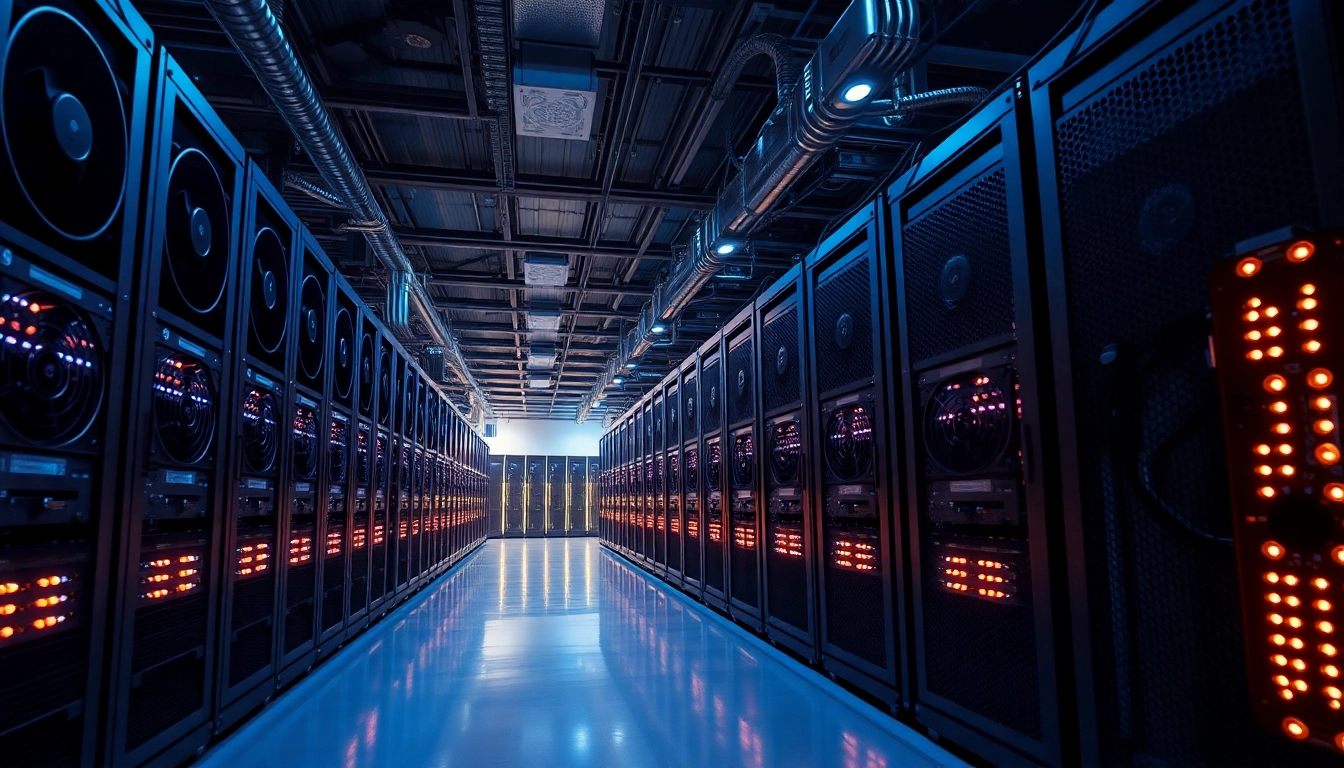
Understanding the Basics of Bitcoin Mining
Bitcoin mining is a critical component of the Bitcoin ecosystem, responsible for validating transactions and maintaining the security of the blockchain network. For those new to cryptocurrency, understanding the fundamentals of bitcoin mining is essential for navigating the complexities of this digital economy. The process requires specialized hardware, substantial energy, and a good grasp of how the blockchain operates. When exploring options, bitcoin mining offers insights into this intricate yet fascinating world that continues to evolve rapidly.
What is Bitcoin Mining?
Bitcoin mining refers to the process through which new bitcoins are created and transactions are verified and added to the public ledger known as the blockchain. This decentralized ledger system ensures that all transactions are secure and transparent, providing a layer of trust within the network. Miners use powerful computers to solve intricate mathematical puzzles that validate transactions; once solved, these puzzles allow the creation of new blocks, which are added to the blockchain. In exchange for their efforts and resources, miners receive newly minted bitcoins as well as transaction fees from users.
The Technology Behind Bitcoin Mining
The backbone of bitcoin mining technology consists of specialized hardware and software. Initially, miners began using standard CPUs from personal computers, but as competition increased, more efficient hardware like Graphics Processing Units (GPUs) and Application-Specific Integrated Circuits (ASICs) became the industry standard. These devices are specifically designed to execute hash functions more efficiently, thereby increasing a miner’s chances of solving the puzzles quickly. Furthermore, mining software connects miners to the Bitcoin network, pooling resources to enhance the likelihood of successfully mining a block.
Mining vs. Buying Bitcoin: Which is Better?
The decision to mine or buy bitcoin depends on several factors, including the miner’s technical expertise, available resources, and overall goals. Mining can be lucrative if done correctly, but it entails substantial upfront costs for specialized hardware and ongoing electricity expenses. On the other hand, buying bitcoin directly from exchanges may prove to be a simpler and more immediate way to invest in cryptocurrency, without the complexities of setting up mining equipment. Each approach has its benefits and drawbacks, so individuals should carefully consider their circumstances before diving in.
The Financial Aspects of Bitcoin Mining
Understanding the financial implications of bitcoin mining is crucial for anyone looking to enter the field. Analyzing profitability will help you gauge whether the investment of resources aligns with your financial goals.
Is Bitcoin Mining Profitable in 2025?
As of 2025, bitcoin mining profitability largely depends on factors such as the price of bitcoin, mining difficulty, electricity costs, and the efficiency of mining hardware. Many miners use profitability calculators to assess whether their operations will yield a return on investment. While some miners still find it profitable, shifts in the market and regulatory environment can impact revenue significantly. For aspiring miners, it’s essential to stay informed about market trends and technological advancements to maintain a competitive edge.
Cost Analysis: Equipment and Electricity
When budgeting for bitcoin mining, two primary expenses come into play: equipment costs and electricity bills. High-performance ASIC miners can range from a few hundred to several thousand dollars, while electricity costs can fluctuate based on local rates and the efficiency of the hardware used. To ensure profitability, miners should evaluate their equipment’s hashrate and power consumption and compare it against the expected rewards from the bitcoin network.
Understanding Mining Pools and Their Benefits
Mining pools are groups of miners who combine their computing power to increase the chances of successfully mining blocks. By participating in a pool, miners can stabilize their income and receive more frequent payouts, though they must share their earnings according to their contributed hash power. This collaborative approach is especially beneficial for those with less powerful mining rigs, allowing them to compete more effectively in the increasingly competitive mining landscape.
Environmental Impact and Sustainability in Bitcoin Mining
The environmental concerns surrounding bitcoin mining have sparked significant debate among industry participants and regulators alike. Due to the intensive energy requirements needed to power mining operations, the carbon footprint associated with mining has come under scrutiny.
Carbon Footprint of Bitcoin Mining
As mining operations expand, so does their impact on energy consumption and carbon emissions. A recent study highlighted that bitcoin mining is responsible for a sizeable portion of global energy use, especially in regions reliant on non-renewable energy sources. The challenge is to balance the demand for bitcoin with sustainable practices that mitigate environmental impacts.
Innovative Solutions for Greener Mining
To combat the environmental issues linked to bitcoin mining, innovators are seeking alternative solutions. Renewable energy sources such as solar, wind, and hydroelectric power are being utilized to reduce reliance on fossil fuels. Some mining companies are even investing in energy-efficient technologies and practices that decrease their overall energy consumption while maintaining high levels of productivity.
Regulations and Compliance for Miners
As the environmental impact of bitcoin mining has gained attention, regulatory frameworks are starting to emerge. Governments around the world are contemplating stricter regulations to ensure that mining operations contribute positively to energy consumption and environmental sustainability. Miners must remain aware of these evolving regulations to ensure compliance and avoid penalties while continuing their operations.
Future Trends in Bitcoin Mining Technology
As the landscape of bitcoin mining changes, new technologies and trends are set to reshape the future. Staying ahead of the curve is essential for anyone involved in the mining sector.
Advancements in Mining Hardware
The bitcoin mining hardware industry is constantly evolving, with manufacturers consistently introducing more efficient models that consume less power and yield higher hashrates. Future advancements may further decrease the cost of mining operations, allowing miners with fewer resources to participate in the ecosystem. Innovations in cooling technologies and energy efficiency will also play a vital role in reducing overall operational costs.
The Role of Artificial Intelligence in Mining
Artificial Intelligence (AI) is beginning to play a significant role in optimizing mining operations. From predictive analytics that help miners choose optimal times to operate to AI-driven solutions for managing energy consumption, the integration of AI could revolutionize the mining landscape. This technology not only maximizes profits but also helps in mitigating environmental impacts by improving operational efficiency.
Predictions for Bitcoin Mining in 2030
Looking towards 2030, various predictions paint a picture of a more regulated and energy-efficient mining industry. The growing emphasis on sustainability could lead to a shift towards entirely renewable energy-powered mining farms. Additionally, as transaction volumes increase with the expanding blockchain ecosystem, mining operations may become more networked, further enhancing collaborative efficiency through decentralized mining pools.
Getting Started with Bitcoin Mining
For those interested in diving into bitcoin mining, understanding the essential components and steps involved is the key to a successful start.
Essential Equipment for New Miners
The first step for new miners is selecting appropriate equipment. A reliable ASIC miner is often recommended for those serious about entering this field. Additionally, miners will need a stable internet connection and a secure digital wallet to store earned bitcoins. Investing in a quality power supply unit (PSU) is also vital to ensure that the mining hardware runs efficiently and safely.
Step-by-Step Setup Guide for Beginners
1. Choose Your Miner: Select an ASIC miner that fits your budget and has a proven performance record.
2. Set Up Your Wallet: Create a digital wallet to securely store your bitcoins.
3. Join a Mining Pool: Research and select a mining pool that suits your needs to maximize profits.
4. Configure Your Mining Software: Download and configure mining software to connect your miner to the pool.
5. Start Mining: Turn on your miner and begin the process! Monitor performance regularly to fine-tune your setup.
Common Mistakes to Avoid When Starting
New miners often fall into common pitfalls that can hinder profitability and success. Some mistakes include:
- Underestimating electricity costs and hardware maintenance.
- Neglecting to conduct thorough research on mining pools and hardware.
- Failing to stay updated on industry trends and changes.
- Overlooking the importance of cybersecurity in securing mining networks.
By avoiding these mistakes, newcomers can create a more streamlined and ultimately successful mining endeavor.