
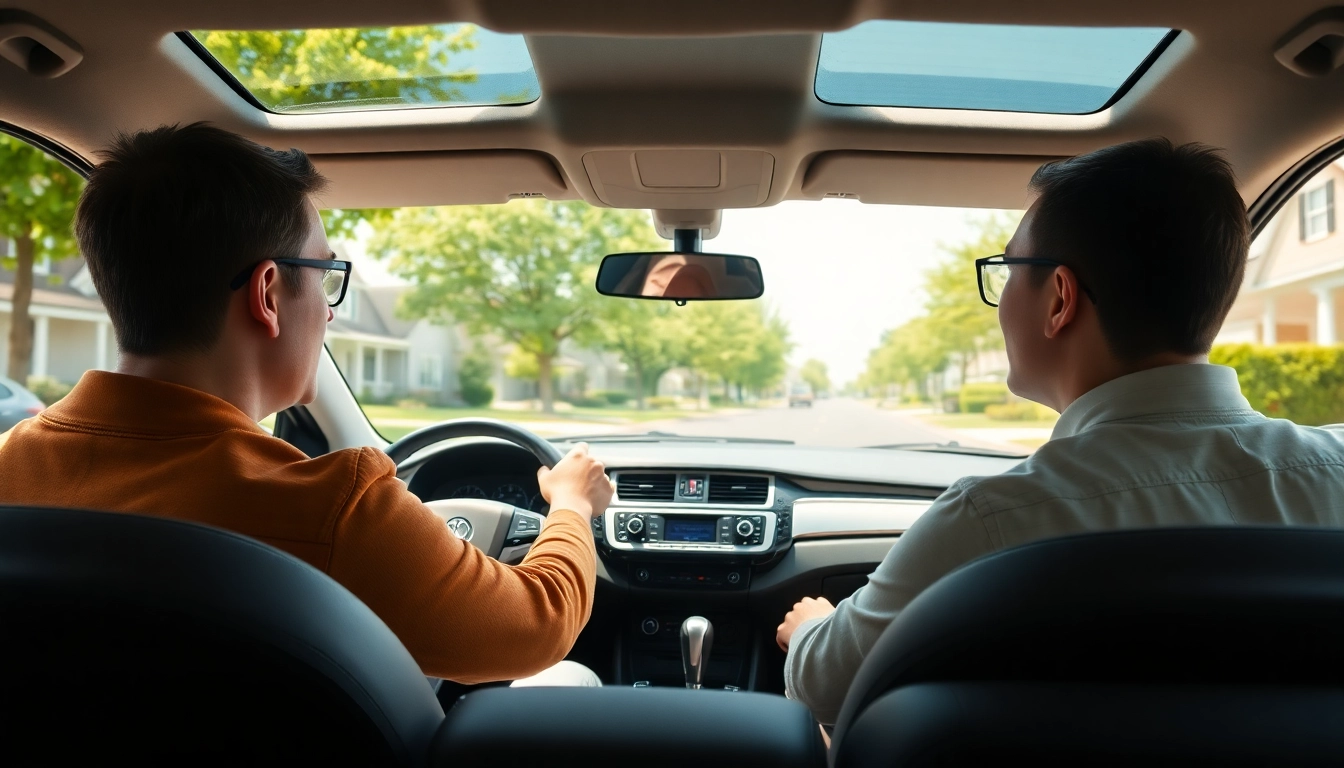
Understanding Automatic Driving Lessons Portsmouth
What are Automatic Driving Lessons?
Automatic driving lessons are designed for learners who wish to drive cars equipped with automatic transmissions. These vehicles do not require the driver to manually change gears, making them generally easier to operate, especially for beginners or those anxious about mastering the complexities of manual driving. The courses typically focus on essential driving skills, traffic laws, and safe driving practices, facilitating a smoother learning experience.
Benefits of Automatic Driving Lessons Portsmouth
The advantages of taking automatic driving lessons in Portsmouth are numerous. For starters, learners often find automatic vehicles easier to drive since they can concentrate on the road rather than gear changes. This can significantly shorten the learning curve for new drivers. In areas with congested traffic, automatic cars reduce stress, allowing drivers to focus on navigating through busy roads and intersections confidently. Moreover, many driving schools, including those offering automatic driving lessons Portsmouth, customize lessons geared towards individual student needs, enhancing the overall driving experience.
Who Should Consider Automatic Lessons?
Automatic lessons are particularly beneficial for several groups. New drivers who may feel overwhelmed by manual operations will find automatics more forgiving. Individuals with physical limitations or disabilities that make gear shifting challenging often prefer automatic courses. Moreover, those looking to obtain their driving license as quickly as possible might choose automatic lessons to expedite their learning process. Finally, anyone planning to primarily drive modern automatic vehicles can benefit from selecting these lessons.
The Road to Learning: What to Expect
Initial Assessment and Goal Setting
The journey of learning to drive begins with an initial assessment. During this phase, instructors evaluate the learner’s existing knowledge and experience. This assessment helps tailor the lesson plan to fit individual goals, whether passing the driving test swiftly or developing advanced driving skills. Setting clear, measurable goals is vital as it provides a roadmap for progress and keeps learners motivated.
Driving Techniques Covered in Lessons
Automatic driving lessons encompass various techniques essential for safe driving. Some critical areas of focus include steering control, proper use of mirrors, assessing road conditions, and understanding traffic signals. More advanced topics, such as navigating roundabouts and complex intersections, are also included. Through practical experiences and real-world applications, learners garner the skills necessary to react effectively to different driving situations.
Seamless Transition from Theory to Practice
An effective driving school ensures a seamless transition from theoretical knowledge to practical application on the road. Learners begin with foundational concepts covered in the classroom, such as vehicle controls and road signs. Gradually, they move to behind-the-wheel practices, implementing what they’ve learned. Instructors monitor progress, providing continual feedback to reinforce learning while building confidence in real driving scenarios.
Choosing the Right Instructor for Your Needs
Qualities to Look for in an Instructor
Selecting the right driving instructor is essential for a productive learning experience. Key qualities to consider include patience, effective communication skills, and a solid understanding of driving regulations. A good instructor should also possess enthusiasm and a supportive demeanor—encouragement can make learning less intimidating and more enjoyable. Additionally, experienced instructors who keep current with driving laws contribute to a safer learning environment.
How to Evaluate Your Instructor’s Teaching Style
Different instructors have varied teaching styles, and evaluating them can enhance the learning experience. It’s worth observing how they explain concepts and interact with students. Are they open to questions? Do they adapt their teaching methods based on individual learning speeds? A great instructor will build rapport and make students feel comfortable while challenging them to improve consistently.
Questions to Ask Before Commencing Lessons
Before enrolling in automatic driving lessons, potential learners should ask pertinent questions to ensure a good fit with their instructor and the driving school. Inquire about the school’s curriculum, vehicle types, lesson structures, and cancellation policies. Importantly, ask about their experience teaching automatic lessons specifically as this can greatly affect the quality of instruction.
Safety First: Driving Regulations and Best Practices
Understanding Local Driving Laws
Familiarity with local driving laws is crucial for all new drivers. Every region may have specific regulations regarding speed limits, yielding, and road signage. Instructors will cover these laws in-depth during automatic driving lessons, enabling students to understand the framework within which they will operate. Learning these rules ensures that students can navigate safely and legally.
Common Driving Errors to Avoid
Awareness of common driving mistakes is crucial for new drivers. Some prevalent errors include failing to check mirrors, misjudging distances, improper lane changes, and distracted driving. Instructors work with learners to identify these mistakes early on, providing strategies to avoid them. Incorporating these lessons into practice will help drive safe habits, minimizing the potential for accidents.
The Role of Defensive Driving Techniques
Defensive driving is a proactive approach to road safety that involves anticipating potential hazards and navigating them carefully. Automatic driving lessons should incorporate defensive strategies that help students recognize risky situations and respond appropriately. Techniques may include maintaining safe following distances, being aware of blind spots, and knowing when to yield. By adopting these practices early, learners can develop a strong foundation for safe driving.
Common FAQs About Automatic Driving Lessons Portsmouth
How long is a typical automatic driving lesson?
A typical automatic driving lesson generally lasts about one hour. This duration allows sufficient time for instruction, practice, and feedback without causing fatigue.
What age can I start taking automatic driving lessons?
Most individuals can start taking automatic driving lessons at 17, though in some areas, learners can begin at 16 if they have a provisional license.
Are automatic driving lessons more expensive than manual?
The cost of automatic driving lessons can vary, but they are not typically more expensive than manual lessons. Pricing depends on factors like instructor experience and lesson duration.
Can I choose my own lesson timings?
Many driving schools offer flexible scheduling, allowing learners to choose lesson timings that best fit their availability. It’s advisable to discuss preferences with the instructor.
What if I need extra practice before the test?
If additional practice is needed before the driving test, most instructors can provide extra lessons. Open communication about your needs ensures adequate preparation.