
Understanding Computer Disposal Reading
What is Computer Disposal?
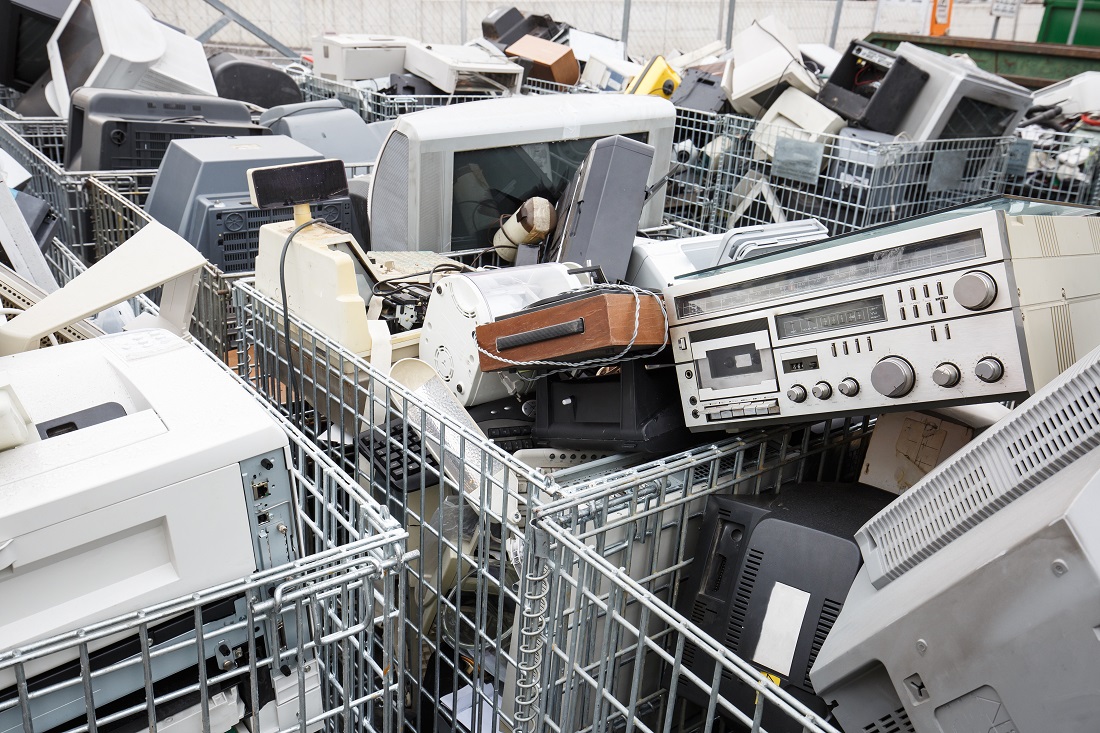
Computer disposal refers to the process of responsibly managing old or unused computing devices, ensuring that they are no longer a hazard to the environment or individuals. This involves collecting, transporting, and recycling or disposing of equipment such as desktops, laptops, and peripheral devices in a manner that adheres to legal and environmental regulations.
The Importance of Safe Disposal
The importance of safe computer disposal cannot be overstated. With the rapid advancement of technology, older devices often contain hazardous materials that can leach into the environment if not disposed of correctly. Additionally, improper disposal poses significant data security risks, as sensitive information can be recovered from discarded devices. Furthermore, businesses and household users must comply with regulations governing electronic waste to avoid legal penalties and fines. For responsible and secure options, computer disposal reading covers various alternatives.
Legal and Environmental Considerations
Many jurisdictions have strict laws governing electronic waste disposal. These laws are in place to protect the environment and human health from the dangers associated with components like lead, mercury, and cadmium found in old electronics. Recycling programs are often available, helping to reduce landfill waste while promoting the recovery of valuable materials. Compliance with such regulations ensures that both individuals and organizations contribute positively to environmental sustainability.
Identifying Disposal Options
Local Recycling Centers in Reading
Identifying local recycling centers is crucial for effective computer disposal. Many towns, including Reading, have designated facilities that specialize in the recycling of electronic waste. These centers provide safe collection, sorting, and processing of old electronics, ensuring they are handled in an environmentally responsible way. Checking local rules and operation hours can aid in easier planning for disposal.
Community Collection Events
Community collection events are organized periodically to encourage local residents to recycle their old computers and electronics. These events often provide an opportunity for residents to safely dispose of their electronic items for free. Such initiatives not only facilitate proper waste management but also raise awareness about the importance of recycling and its positive impact on the community.
Donation vs. Disposal
Deciding between donating or disposing of old computers often depends on the equipment’s condition. If the device is still functional, donating it to schools, charities, or community programs can provide significant benefits. However, if the device is outdated or damaged, proper disposal through recycling is the environmentally responsible option. Weighing these choices thoughtfully contributes to better sustainability practices.
Key Benefits of Professional Disposal Services
Environmental Protection
Utilizing professional disposal services significantly enhances environmental protection by ensuring that e-waste is processed with ecological considerations. Professionals often have the necessary certifications and resources to manage the waste properly. They follow stringent environmental regulations, reducing the risk of hazardous materials contaminating ecosystems.
Data Security Measures
Data security is a major concern with electronic waste. Professional disposal services employ best practices such as data wiping, physical destruction of hard drives, and offering certificates of destruction to ensure that sensitive information is irretrievable. This level of assurance safeguards both individuals and companies from data breaches that could arise from improper disposal practices.
Convenience and Efficiency
Professional disposal services offer a convenient solution for both individuals and organizations. They often handle the logistics of collection and disposal, allowing clients to focus on their primary activities without worrying about the complexities of electronic waste management. This efficiency is particularly beneficial for businesses looking to maintain compliance while safely disposing of outdated equipment.
How to Choose a Computer Disposal Service
Evaluating Certifications and Compliance
When selecting a computer disposal service, it’s imperative to evaluate their certifications and compliance with local, state, and federal regulations. Look for companies that hold recognized qualifications in e-waste management, such as R2 (Responsible Recycling) or e-Stewards certifications. These credentials indicate that the service provider adheres to the highest industry standards for environmental protection and data security.
Customer Reviews and Recommendations
Researching customer reviews can provide insights into the reliability and quality of a disposal service. Evaluating feedback from previous customers helps gauge the company’s effectiveness in handling electronic waste. Positive referrals from trusted sources can also direct you to reputable providers, ensuring peace of mind while choosing a service.
Understanding Pricing Models
Different disposal services have various pricing models based on the type and quantity of electronics being disposed of. Some may offer free services for specific electronics, while others may charge a fee. Understanding these costs upfront can help in making an informed decision and sticking to your budget while ensuring responsible disposal.
FAQs on Computer Disposal Reading
Where can I recycle my old computer?
You can recycle your old computer at local recycling centers or during community electronic collection events, where proper disposal methods are utilized.
Is computer disposal reading free?
Many local community events and select recycling centers offer free disposal options for old computers, but it varies by location.
What happens to my data after disposal?
After disposal, professional services typically erase or physically destroy data storage devices to ensure your information remains secure and unrecoverable.
Are there restrictions on what I can dispose of?
Yes, many recycling centers have restrictions on the types of electronics that can be accepted. Typically, large appliances or certain hazardous materials may not be included.
How often are electronic recycling events held?
Electronic recycling events are often held quarterly or semi-annually in many communities. It varies by region, so check local resources for schedules.